Point of Sale System Updates and Their Unexpected Link to Credit Card Approval Rates in Physical Retail Locations
Written by Alex Krüger · Oct 30, 2026
Point of Sale System Updates and Their Unexpected Link to Credit Card Approval Rates in Physical Retail Locations
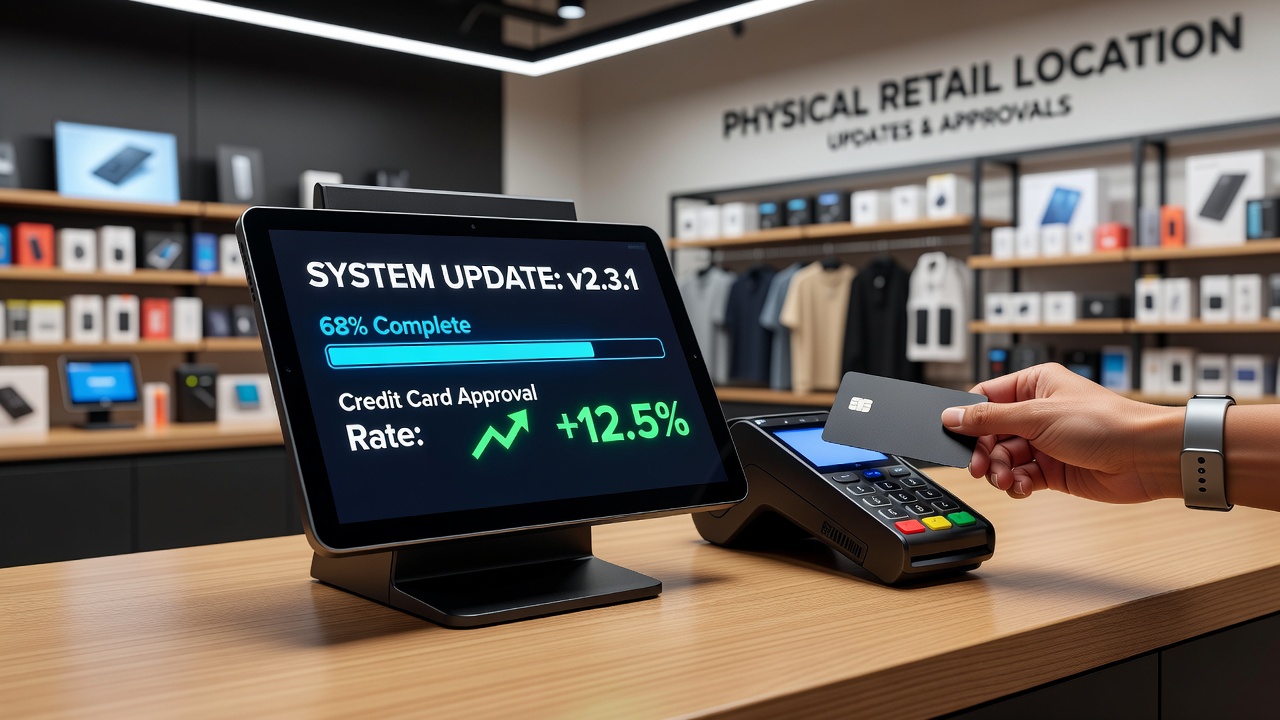
Point of sale system updates have become a regular occurrence in physical retail environments, and data from multiple industry reports show these changes often connect directly to shifts in credit card approval rates at store locations. Retail chains across North America and Europe have documented cases where routine software patches or hardware upgrades altered transaction success metrics in measurable ways, sometimes increasing approvals while other times introducing temporary dips in performance.
Core Mechanics Behind POS Updates
POS systems handle everything from inventory tracking to payment processing, and updates typically address security protocols, firmware compatibility, and integration with payment gateways. When a retailer deploys a new version, the terminal must re-establish connections with card networks, which can affect handshake times and data validation steps. Studies from payment processors indicate that even minor changes in encryption routines or timeout settings influence whether a transaction receives an immediate approval or routes to additional verification.
Hardware refreshes often coincide with these software updates, and researchers note that older terminals sometimes struggle with newer protocol requirements, leading to higher decline rates until configurations stabilize. In contrast, updated systems equipped with improved chip readers or contactless modules have shown faster authorization cycles in controlled tests conducted by the Federal Reserve.
Observed Patterns in Approval Rate Fluctuations
Retail operators report that approval rates can shift within days of a system rollout, with some locations experiencing a 2 to 4 percent variance compared to baseline figures collected before the update. These changes appear tied to factors such as network latency introduced by new security layers or altered risk-scoring algorithms that interact differently with updated software. Observers note that high-volume stores see these effects more clearly because transaction volume amplifies small technical discrepancies.
Data collected during 2025 and into 2026 reveals seasonal patterns as well, particularly around periods when major card networks roll out their own protocol adjustments. When retailers synchronize their POS updates with these network changes, approval consistency tends to improve more quickly than when updates occur independently. European Central Bank analyses of cross-border retail payments highlight similar correlations in member states where standardized terminal requirements took effect.
Technical Factors Driving the Connection
Encryption key rotations and certificate renewals form part of many POS updates, and these steps can temporarily disrupt the flow of authorization requests to issuing banks. When a terminal sends a request with an unexpected format or flag, issuers may apply stricter scrutiny, resulting in more declines until the new parameters become recognized. Technicians who monitor these processes describe the period immediately after an update as a stabilization window during which approval rates gradually return to previous levels or settle at new ones.
Connectivity settings also play a role, especially in stores using wireless terminals where signal strength and router configurations interact with updated network stacks. Research conducted by academic teams at institutions studying retail technology shows that stores with optimized Wi-Fi environments after updates maintained steadier approval rates than those relying on older infrastructure. In October 2026, several major retailers plan coordinated update cycles aligned with anticipated changes from card networks, aiming to minimize these transitional effects.
Regional and Operational Variations
Approval rate impacts differ by region because regulatory frameworks and network standards vary. Canadian payment studies, for instance, emphasize the importance of terminal certification processes that occur alongside system updates, while Australian retail reports focus on how contactless transaction limits influence outcomes after firmware changes. Chain stores operating across multiple countries often track these differences through centralized dashboards that flag locations where approval rates deviate from expected ranges.
Staff training on new interfaces represents another variable, since unfamiliar workflows can lead to entry errors that trigger declines even when the underlying system functions correctly. Retailers who combine technical updates with targeted training sessions report quicker recovery in approval metrics according to internal performance logs shared with industry groups.
Conclusion
Point of sale system updates continue to demonstrate measurable connections to credit card approval rates in physical retail settings, driven by technical changes in processing, encryption, and network communication. Retailers and processors track these patterns through ongoing data collection, and coordinated planning around update timing appears to reduce volatility. As networks and terminals evolve through 2026 and beyond, the relationship between system maintenance and transaction success remains a key area of operational focus for physical retail locations worldwide.