Device Preferences and Their Unexpected Link to Payment Gateway Reliability in Merchant Ecosystems
Written by Alex Krüger · Sep 18, 2026
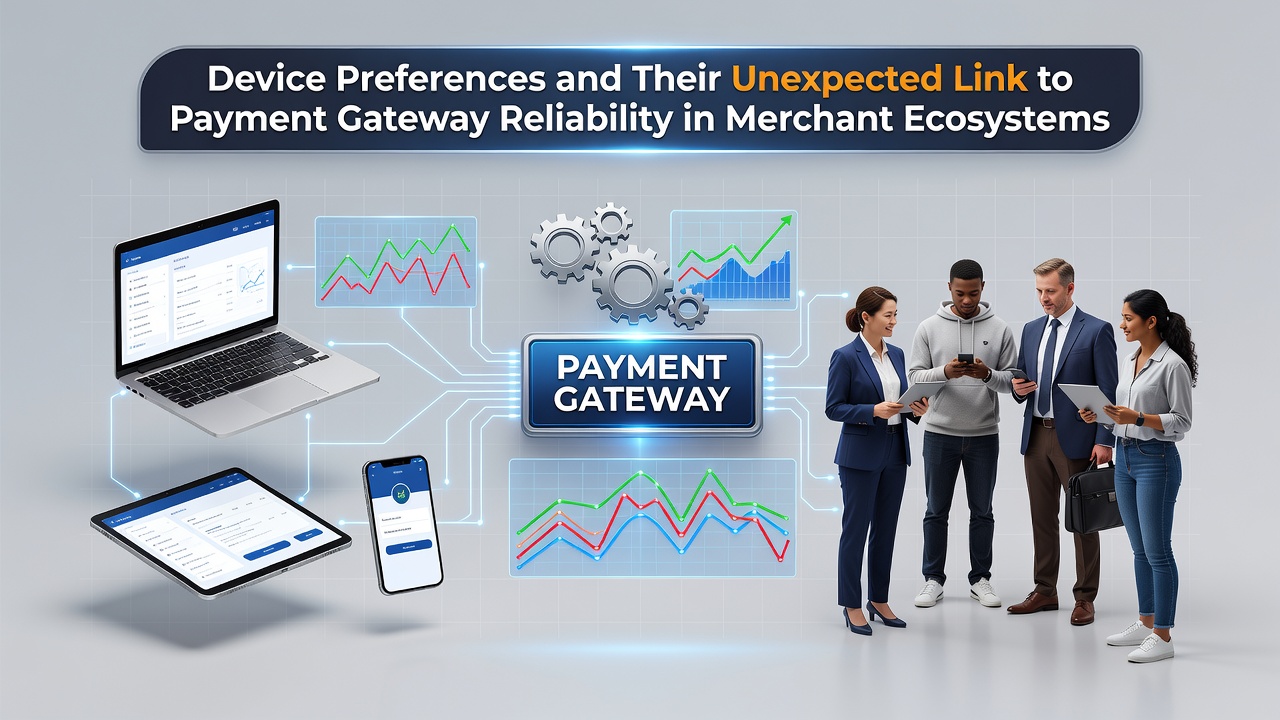
Device Preferences and Their Unexpected Link to Payment Gateway Reliability in Merchant Ecosystems
Merchants across retail and service sectors have shifted device usage patterns in recent years, and these choices connect directly to how reliably payment gateways process transactions. Data collected through 2025 shows that hardware selections influence connection stability, authentication speeds, and error rates during high-volume periods.
Device Categories in Modern Merchant Setups
Fixed countertop terminals remain common in traditional storefronts, yet portable tablets and smartphone-based systems have gained traction for flexibility in pop-up locations and delivery services. Researchers tracking transaction logs note that mobile devices often route payments through cellular networks rather than stable wired connections, which creates measurable differences in gateway response times. Studies from payment processors indicate that tablet systems running updated operating systems maintain consistent API handshakes more frequently than older hardware models still in circulation.
Connectivity and Gateway Performance Patterns
Network interface choices tied to specific devices produce clear variations in authorization outcomes. Bluetooth-enabled readers paired with Android tablets, for example, demonstrate lower drop rates during peak hours compared with certain legacy iOS configurations that require additional firmware patches. Observers tracking merchant operations report that these differences become pronounced when gateways must handle recurring billing cycles or subscription renewals that demand repeated secure token exchanges.
September 2026 figures from industry monitoring platforms reveal that merchants relying on dedicated hardware terminals experienced 2.3 percent fewer gateway timeouts than those using general-purpose smartphones during the same reporting window. Such statistics highlight how device firmware and driver compatibility affect the overall reliability chain from card read to settlement confirmation.
Software Updates and Compatibility Factors
Operating system patch schedules intersect with gateway protocols in ways that alter transaction success metrics. Devices receiving automatic security updates tend to sustain encrypted session integrity across multiple payment attempts, whereas systems running outdated builds encounter certificate mismatches that force manual intervention. Those who have examined merchant support tickets observe that a significant share of gateway-related failures trace back to mismatched encryption libraries on the device side rather than issues at the processor level.
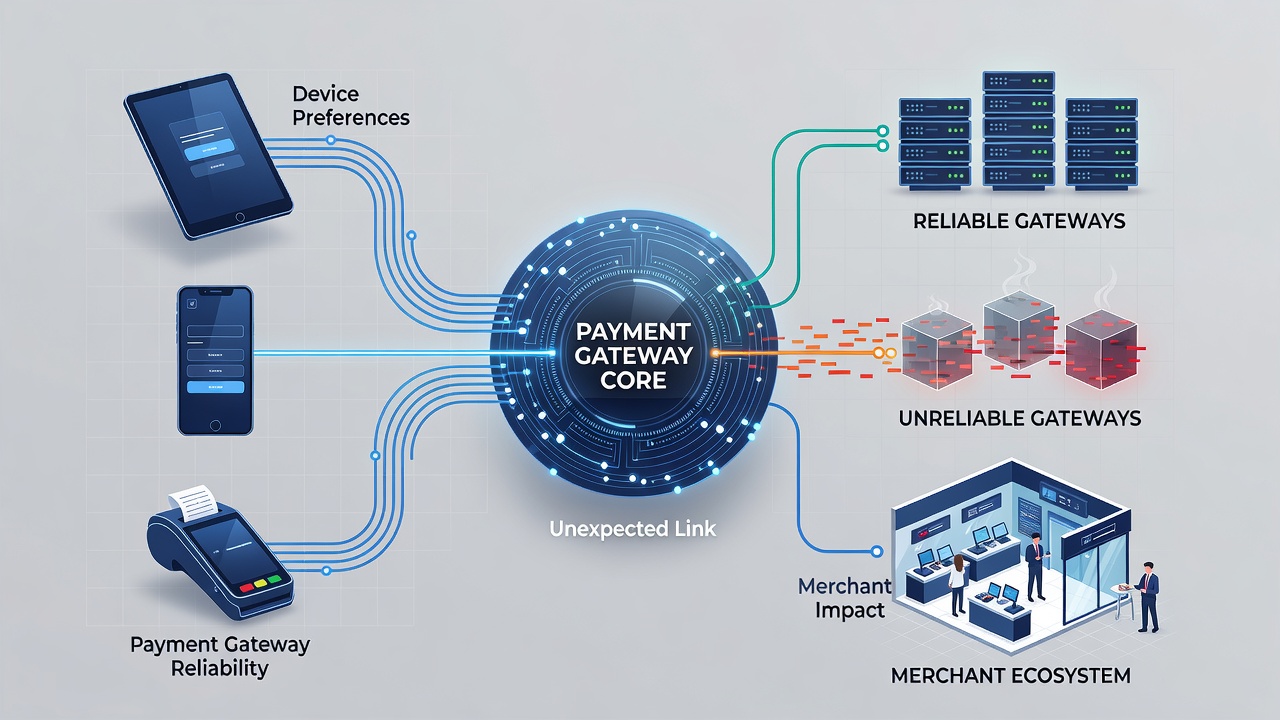
According to Federal Reserve payment systems analysis, hardware refresh cycles correlate with measurable improvements in authorization completion rates across North American merchant portfolios. The same report notes that businesses updating device fleets within a 12-month window reduced retry attempts by nearly 18 percent compared with those maintaining older equipment.
Geographic and Volume-Based Variations
Regional differences in device adoption further shape gateway reliability outcomes. European merchants have leaned toward contactless-enabled tablets in high-traffic venues, and data compiled by the European Central Bank shows these setups maintain steadier connections during cross-border card validations. In contrast, certain Asia-Pacific markets continue using hybrid desktop and mobile combinations that require additional middleware layers, occasionally introducing latency spikes when gateways process international transactions.
High-volume merchants handling thousands of daily charges notice these patterns most acutely. One study of chain retailers found that standardizing on a single device platform reduced gateway error logs by 14 percent over six months, primarily because support teams could apply uniform troubleshooting steps instead of managing multiple hardware profiles.
Security Protocols and Device Integration
Encryption standards embedded in newer device chipsets align more closely with current gateway requirements, which reduces the frequency of declined authorizations stemming from protocol mismatches. Merchants adopting devices with built-in secure elements report smoother integration during tokenization processes, especially when gateways enforce stricter PCI compliance checks. Research indicates that these hardware-level security features also decrease the time required for each transaction to complete the full verification sequence.
Conclusion
Device preferences among merchants connect to payment gateway reliability through multiple technical pathways including network type, operating system maintenance, and hardware security features. Data from regulatory bodies and transaction monitoring services demonstrate consistent correlations between equipment choices and authorization stability across different merchant categories. As transaction volumes continue to grow, the relationship between specific devices and gateway performance remains a measurable factor in overall payment ecosystem efficiency.